

Whitening teeth with baking soda or charcoal does not lighten the tooth's own colour; at most it slightly reduces surface stains. Used often with hard brushing, it can wear away enamel, and mixing it with lemon or vinegar increases the risk of acid erosion. Worn enamel does not grow back, and teeth may look more yellow over time. The safe options are professional cleaning and dentist-supervised whitening.
Does whitening teeth with baking soda work?
Whitening teeth with baking soda does not lighten the tooth's own colour; it can only slightly reduce some surface stains. Baking soda (sodium bicarbonate) is a mildly abrasive powder and is also found in controlled amounts in some toothpastes.
The yellow colour of teeth comes from the dentine beneath the enamel. Lightening this colour requires an oxidising agent such as peroxide. Baking soda has no such effect, so the feeling that “baking soda whitened my teeth” usually comes from reduced surface stains.
The real risk is mixing baking soda with acids such as lemon or vinegar and using it often with hard brushing. This can wear away enamel, and teeth may look more yellow over time.
What does baking soda do to teeth?
On its own, baking soda is a low-abrasion powder; used in controlled amounts in toothpastes, it is generally safe. The problem arises when it is used at home as a powder, without measuring.
- Hard brushing with the powder: The particles and brushing pressure together can wear away enamel and especially exposed root surfaces at the gum line.
- Lack of fluoride: Using baking soda alone instead of toothpaste means the tooth misses out on the fluoride it needs for protection against decay.
- Effect on restorations: Composite fillings and bonding surfaces can become scratched and dull; these surfaces then stain more easily.
- Gum irritation: Frequent, vigorous use can irritate the gums.
In short, baking soda can be useful as an ingredient in toothpaste, but it is not a whitening method in its own right.
Whitening teeth with charcoal: is activated charcoal safe?
There is not enough scientific evidence that whitening teeth with charcoal lightens their colour, and care is needed because of its abrasive effect. Activated charcoal does not affect the tooth's internal colour.
Activated charcoal powders and toothpastes can mechanically reduce surface stains to some extent. However, the abrasiveness of the particles varies greatly between products and is often not stated on the label.
- It can wear away enamel, making teeth look more yellow over time.
- Charcoal particles can lodge in filling margins, cracks and along the gum line, leaving a grey-black appearance.
- Most charcoal products contain no fluoride or only a small amount.
- It has no lasting whitening effect.
If you want to try charcoal whitening, do not use it instead of your main toothpaste and avoid brushing hard. Safer options are listed below.
Lemon, vinegar and strawberries: the acid risk
Lemon, vinegar and strawberries do not whiten teeth; the acids they contain soften enamel and can lead to wear (erosion). Acid dissolves the minerals in enamel, and this loss is not reversible.
- Lemon: Contains citric acid. Rubbing teeth with lemon juice or mixing it with baking soda erodes enamel; brushing on top of the acid increases the damage.
- Vinegar: Acetic acid softens the enamel surface, especially with frequent contact.
- Strawberries: Contain malic acid and sugar. Rubbing them on teeth does not meaningfully reduce stains, and the sugar increases the risk of decay.
Eating these fruits is, of course, fine. The problem is rubbing them directly onto your teeth and doing it repeatedly. Waiting about 30 minutes after an acidic food before brushing protects the enamel. Rinsing with water in the meantime helps saliva neutralise the acid.
Does oil pulling with coconut oil work?
There is no reliable evidence that oil pulling with coconut oil whitens teeth. Oil pulling means swishing oil around the mouth for a few minutes.
This method does not harm enamel, but it does not replace brushing and flossing. Studies on plaque and bad breath are limited and their results are inconsistent.
If you want to keep oil pulling as a habit, you can treat it as an extra alongside brushing with fluoride toothpaste. Expecting it to whiten your teeth, however, is not realistic.
Natural methods compared
The table below objectively compares the claimed and real effects of commonly asked-about natural methods.
| Method | Claim | Real effect | Risk |
|---|---|---|---|
| Baking soda | Whitens teeth | Slight reduction in surface stains | Wear with hard, frequent use |
| Activated charcoal | Absorbs stains, whitens | Not enough evidence | Wear, grey deposits |
| Lemon | Natural bleach | Does not whiten | Acid erosion |
| Vinegar | Dissolves stains | Does not whiten | Acid erosion |
| Strawberries | Whiten with fruit acid | No meaningful effect | Acid and sugar |
| Coconut oil | Whitens, cleans | No evidence of whitening | Low; does not replace brushing |
We also cover these and similar common beliefs on our teeth whitening myths page.
Why can't wear and erosion be reversed?
Enamel is one of the body's tissues that cannot regenerate; enamel that has worn away or been dissolved by acid does not grow back. That is why the damage from “natural” methods can be permanent.
As enamel thins, the yellow dentine underneath shows through more. So practices started in order to whiten can, over time, make teeth look more yellow. A worn tooth surface is also rougher and picks up stains more easily.
Another consequence of wear is sensitivity. As dentine becomes exposed, twinges with cold, hot and sweet foods may start. For more on sensitivity, see our sensitivity after whitening page.

What are the safe alternatives?
There are safe ways to make your teeth look lighter. Which suits you depends on the type of discolouration.
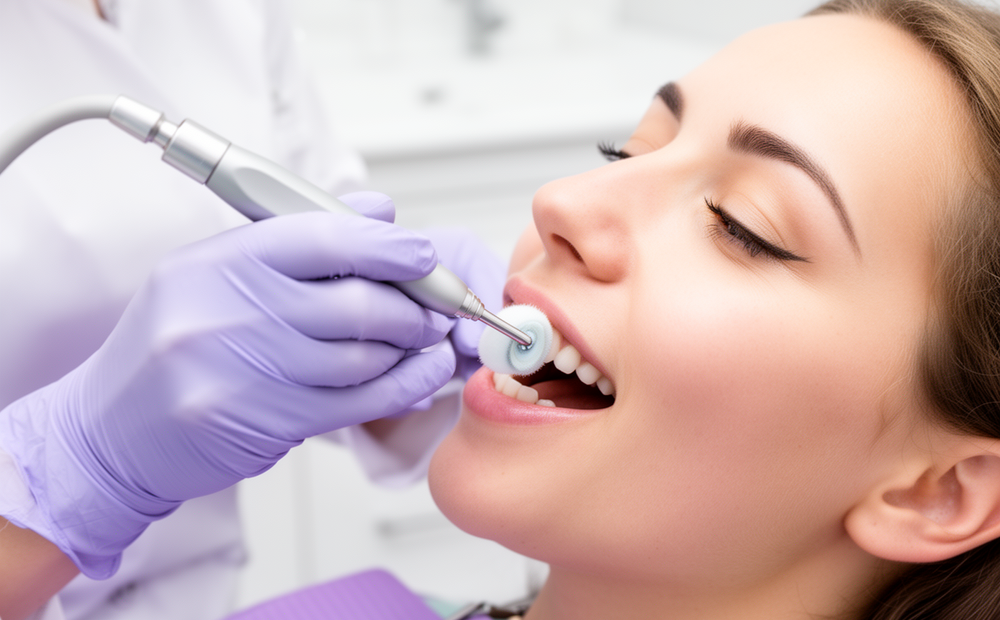
- Professional cleaning and polishing: Removes tea, coffee and tobacco stains without harming enamel. For details, see our smoking, tea and coffee stains page.
- Fluoride, low-abrasion toothpaste: Keeps surface stains under control with daily use.
- Dentist-supervised take-home whitening: Lightens the tooth's own colour with a custom tray and a gel within the legal limit; details are on our take-home teeth whitening page.
- In-office whitening: Carried out in the clinic, with gum protection, in a single session.
- Habits that prevent staining: Using a straw, rinsing with water and stopping smoking.
If you are considering over-the-counter products, read our teeth whitening at home page for their effects and limits.
Frequently asked questions
How many days does baking soda take to whiten teeth?
Because baking soda does not lighten the tooth's own colour, no whitening should be expected over any particular time. A slight feeling of brightness usually comes from reduced surface stains.
Does a baking soda and lemon mixture harm teeth?
Yes, it can. The acid in lemon softens enamel, and brushing with baking soda on top increases wear. Using this mixture is not recommended.
Can activated charcoal toothpaste be used?
There is not enough evidence for a whitening effect, and its abrasiveness varies by product. If you use it, do not use it instead of your main toothpaste, and keep brushing with a fluoride toothpaste.
Is baking soda toothpaste the same as baking soda powder?
No. In toothpaste, baking soda is present in a controlled amount together with fluoride. Putting the powder straight onto your brush makes abrasiveness and frequency of use uncontrolled.
Can natural methods remove tartar?
No. Hardened tartar does not dissolve with baking soda, vinegar or lemon. Tartar can only be removed in the clinic with special instruments.
Related pages
 Teeth Whitening at Home: Do Over-the-Counter Products Work?Find out what strips, pens, toothpastes and LED kits really do, their risks, and how they differ from dentist-supervised take-home whitening.
 Common Misconceptions About Teeth WhiteningDoes it thin enamel, is it permanent, does baking soda work? We explain teeth whitening myths and facts in plain language.Take-Home Teeth WhiteningControlled whitening done at home on your own schedule, with a custom tray and gel supplied by your dentist.How to Remove Smoking, Tea and Coffee Stains from TeethCleaning and polishing for surface stains, whitening for colour that has penetrated the enamel, and practical ways to prevent staining.
 What Is Tartar? How It Differs from Plaque, Signs and PreventionFind out how tartar forms, what signs it causes and why it affects your gum health.
Suitability is decided at an examination. Fill in the form or call us to book an appointment.
Last updated: 2026-11-03 · This page is for general information only and does not replace an examination or diagnosis.